Top Essential Car Spare Parts You Need for a Smooth Ride
Maintaining a vehicle's performance and safety relies heavily on essential spare parts. A dependable battery, efficient brake pads, and quality tires are just a few components that play vital roles. Neglecting any of these can lead to unforeseen issues. Learning how to pick the correct components and determining the right time to replace them can considerably elevate the driving experience. The consequences of such decisions reach well past basic convenience, inviting reflection on what really counts for an effortless driving experience.
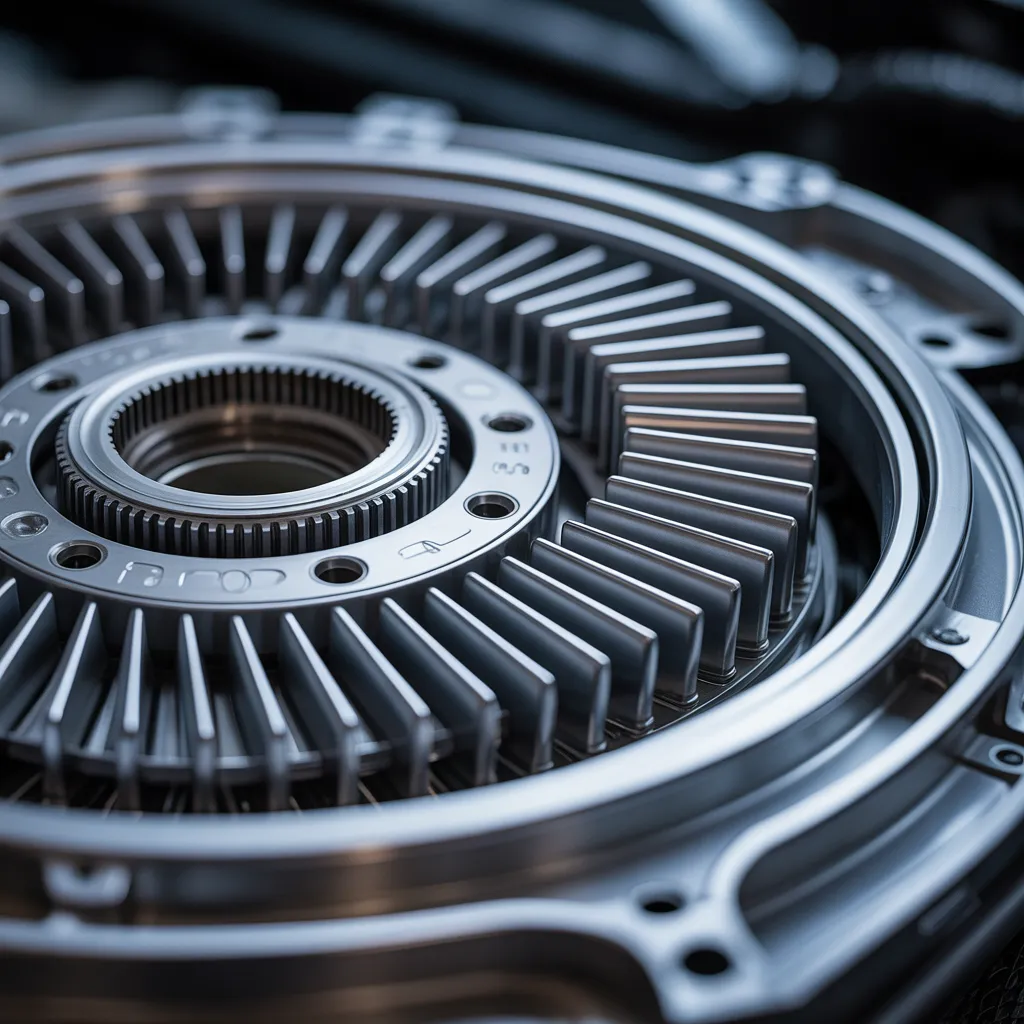
Crucial Auto Parts for Your Vehicle
Each vehicle owner needs to understand vital replacement parts that contribute to the reliable performance and security of their car. Important parts consist of the battery, which supplies the required energy for starting the engine and operating electrical systems. The power generator is instrumental in sustaining battery power while the engine is running. Furthermore, brake pads are crucial for guaranteeing effective braking, while air filters maintain engine performance by removing contaminants.
Tires represent another essential component; they influence handling, traction, and general safety. Consistently monitoring tire tread and pressure is vital. Wiper blades improve sightlines during rainfall, while headlights provide reliable illumination for nighttime travel. Finally, belts and hoses, such as the timing belt and radiator hoses, are crucial for engine function and cooling. Maintaining a supply of these spare parts not only boosts vehicle reliability but also supports a safer driving experience.
How to Find the Ideal Battery for Your Car
Selecting the right battery for a car is a vital aspect of ensuring vehicle performance. When picking a battery, one must consider several factors. Initially, the battery's size and type should match the vehicle's requirements, which can generally be found in the owner's manual. Next, the Cold Cranking Amps CCA rating is essential, as it measures the battery's ability to crank the engine in cold conditions. Furthermore, the Reserve Capacity RC rating reflects how long the battery can run on its own if the alternator fails.
The lifespan of a battery is another crucial aspect to consider; most batteries last between three to five years. It is recommended to select well-known brands recognized for their quality and dependability. Finally, price should not be the sole deciding factor. Choosing a superior battery can protect against possible breakdowns and secure a more consistent and enjoyable driving experience in the future.
Why Are Brake Pads Essential for Your Safety?
Brake pads serve as a critical component in a vehicle's stopping system, greatly influencing driver and passenger safety. They generate friction against the brake rotors, allowing the vehicle to decelerate or stop efficiently. Worn or damaged brake pads can lead to decreased stopping power, increasing the risk of accidents. This decreased functionality can result in longer stopping distances, making it difficult to react quickly in urgent situations.
Consistent inspection and timely renewal of brake pads are critical for sustaining superior braking effectiveness. Overlooking indicators of wear, like squeaking or grinding sounds, can result in more serious damage, such as rotor replacement, which may prove expensive. As a result, verifying that brake pads are in excellent condition is not solely a performance issue but also a crucial element of comprehensive driving safety. Drivers should prioritize brake maintenance to guarantee safe travels on the road.
Critical Spare Parts: Common Filter Units to Have on Hand
While many drivers focus on primary components like engines and brakes, the significance of common filters in a vehicle cannot be overlooked. Vital filters, such as the oil filter, air filter, and fuel filter, serve a crucial function in preserving the vehicle's performance and longevity.
The oil filter removes contaminants from engine oil, promoting consistent engine operation and minimizing wear. The air filter blocks dust and particles from reaching the engine, enhancing fuel efficiency and engine performance. Furthermore, the fuel filter blocks impurities from the fuel system, ensuring optimal combustion and preventing damage to the engine.
Regularly inspecting and replacing these filters is essential for maintaining a healthy vehicle. Overlooking them can cause diminished efficiency, elevated emissions, and even significant repair costs. By prioritizing filter maintenance, drivers can secure a smoother ride and extend the lifespan of their vehicle.
When to Replace Worn Tires and Why It Matters
Tire condition is an essential element of vehicle safety and performance. Recognizing the signs of wear and understanding the importance of tread depth can prevent accidents and improve handling. The timely substitution of worn tires is necessary for sustaining favorable driving conditions.
Signs of Tire Wear
Deteriorating tires can significantly affect vehicle safety and performance. Motorists should watch carefully for various indicators of tire wear. Irregular tread patterns, including bald spots or patches, suggest that the tires expert advice may require replacement. Additionally, if the tread appears markedly shallower than the manufacturer's specifications, this is a clear warning sign. Splits or protrusions on the tire sidewalls likewise indicate structural damage, putting safety at risk. A vehicle pulling to one side during driving may hint at uneven tire wear, necessitating immediate attention. In addition, significant vibrations or noise during operation can point to tire deterioration. Consistent evaluations and knowledge of these warning signs are critical for sustaining peak vehicle performance and securing safety while driving.
Importance of Tread Depth
Ensuring proper tread depth is vital for vehicle safety and performance. Tread depth affects traction, particularly in wet or slippery conditions, where insufficient depth can lead to hydroplaning. A general rule is to replace tires when tread depth falls below 2/32 of an inch. Operating a vehicle on worn tires extends stopping distances and impairs handling, making it essential to check tread wear on a regular basis. Furthermore, irregular tread wear may signal alignment or suspension problems, which should be resolved without delay. By ensuring proper tread depth, vehicle owners enhance safety, improve fuel efficiency, and prolong tire life. Routine inspections and prompt replacements are key measures in preserving optimal performance and minimizing the chance of accidents on the road.
Where to Find Quality Spare Parts for Your Car
Where is it possible to locate trustworthy replacement parts for their vehicle? Quality spare parts are essential for guaranteeing peak performance and longevity. Local auto parts stores often provide a variety of parts, giving shoppers the opportunity to evaluate items directly. Online retailers, such as Amazon and specialized auto parts websites, provide ease of access and affordable rates, frequently showcasing buyer feedback and scores to assist decisions. Furthermore, certified dealerships ensure authentic manufacturer parts, which are engineered precisely for particular vehicle models. Salvage yards can also be an economical option, supplying used parts that are still in good condition. Furthermore, car enthusiast forums and online communities can provide suggestions and guidance for obtaining reliable components. Overall, utilizing a mix of these resources can help confirm that car owners locate the essential parts to service their vehicles properly.
Questions We Often Receive
How Often Should I Check My Spare Parts?
Regular checks of spare parts should occur every 5,000 to 7,500 miles or as part of scheduled maintenance. This ensures peak performance and safety. Additionally, visual inspections should be done on a monthly basis for any visible wear or damage.
Is It Okay to Use Used Spare Parts for My Car?
Yes, used spare parts can be utilized for a car, as long as they are in adequate condition and appropriate. Nevertheless, one must diligently inspect their trustworthiness to guarantee both safety and performance stay intact.
What Tools Do I Need for Spare Part Replacement?
To replace spare parts, you generally require essential tools such as wrenches, screwdrivers, pliers, a torque wrench, and a jack. These tools facilitate effective removal and installation, making certain the vehicle remains in optimal working condition.
How Do I Recognize a Legitimate Spare Part?
To verify a legitimate spare part, one should examine packaging for authenticity seals, check manufacturer details, cross-reference part numbers, and seek reputable suppliers. Moreover, reviews and warranties can help confirm the part's legitimacy.
How Reliable Are Aftermarket Parts When Compared to Original Ones?
Aftermarket components can be dependable, but standards vary considerably. Shoppers should evaluate brands, examine reviews, and verify compatibility. OEM parts typically provide assured performance, while reliable aftermarket choices can deliver reduced costs without diminishing safety.